Atopic Dermatitis: Definition, Causes, and Symptoms
Atopic dermatitis (often called eczema) is a chronic inflammatory skin condition that causes the skin to become dry, itchy, and inflamed. This condition often begins in childhood and can persist into adulthood with periods of flare-ups and remission.
Atopic dermatitis is one of the most common skin diseases, affecting up to 20% of children and 3% of adults worldwide. Although not contagious, this condition can significantly impact quality of life.
Definition of Atopic Dermatitis
Atopic dermatitis is a chronic inflammatory skin disease characterized by inflammation, intense itching, and impaired skin barrier function. The term "atopic" refers to a genetic tendency to develop allergies, while "dermatitis" means inflammation of the skin.
In people with atopic dermatitis, the skin's protective barrier does not function optimally, causing the skin to lose moisture and become more susceptible to irritation and infection.
Causes of Atopic Dermatitis
The exact cause of atopic dermatitis is not fully understood, but experts believe it is triggered by a combination of factors:
1. Genetic Factors
A family history of atopic dermatitis, asthma, or seasonal allergies increases a person's risk of developing this condition.
2. Overactive Immune System
The immune system of people with atopic dermatitis tends to overreact to environmental triggers, producing excessive inflammation in the skin.
3. Impaired Skin Barrier Function
The skin of atopic dermatitis sufferers has a weak skin barrier, causing moisture to evaporate easily, irritants and allergens to penetrate more readily, and the skin to become more susceptible to bacterial infection.
4. Environmental Factors
- Allergens such as dust, pollen, pet dander, and mold
- Irritants such as harsh soaps, detergents, perfumes, and chemicals
- Weather changes — Dry and cold air can worsen the condition
- Stress — Emotional stress can trigger flare-ups
- Certain foods such as milk, eggs, nuts, and wheat
Symptoms of Atopic Dermatitis
- Dry and scaly skin — Skin appears dry, cracked, and flaky
- Intense itching — Especially at night, can disrupt sleep
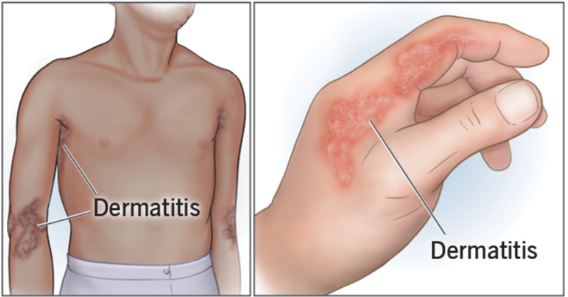
- Red or brownish patches — Usually appear in elbow creases, knees, neck, face, and hands
- Small fluid-filled bumps — May ooze fluid if scratched
- Thickened and cracked skin — Due to persistent scratching
Common Locations:
- In infants — Face, scalp, and extensor areas of arms/legs
- In children — Elbow and knee creases, neck, wrists
- In adults — Elbow and knee creases, neck, hands, and area around the eyes
Treatment and Management
Although atopic dermatitis cannot be completely cured, its symptoms can be well managed with proper care.
1. Self-Care
- Use moisturizer regularly, at least 2-3 times daily
- Bathe with warm water and use gentle soap
- Pat the skin dry with a towel, do not rub
- Wear soft fabrics such as cotton
- Avoid known triggers such as allergens and irritants
2. Medical Treatment
Consult a dermatologist at Carla Skin Clinic for proper management, which may include topical corticosteroid creams, topical calcineurin inhibitors, oral antihistamines, medical moisturizers, light therapy (phototherapy), or systemic medications for more severe cases.
Consultation at Carla Skin Clinic
If you or a family member is experiencing symptoms of atopic dermatitis, do not hesitate to consult a dermatologist at Carla Skin Clinic. Our doctors will conduct a thorough examination and provide a treatment plan tailored to your skin condition.
With proper and consistent treatment, atopic dermatitis can be well managed so you can carry out your daily activities comfortably.